
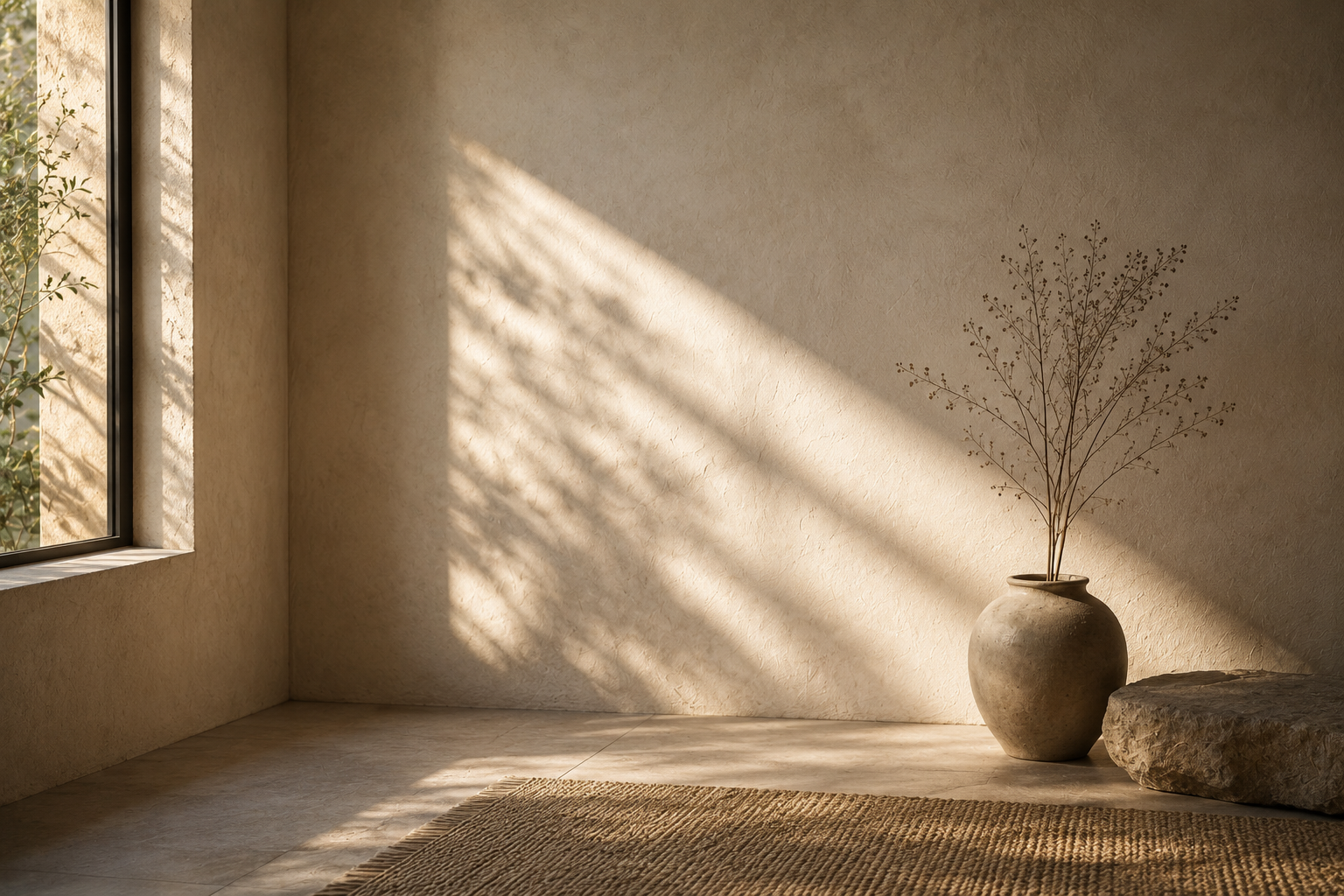
How Circadian Rhythm Shapes the ...
Most people think waking begins when the alarm rings. The body disagrees. Circadian rhythm is the system that helps the body understand where it is...

Oil Pulling and the Oral–Gut–Bra...
Oil pulling is often discussed as an oral care practice. But viewed through the lens of Ritual Science, it becomes something deeper: a transitional...

How Repeated Sensory Rituals Sha...
Modern humans increasingly live inside environments without clear transitions. Notifications remain active, stimulation continues late into the nig...
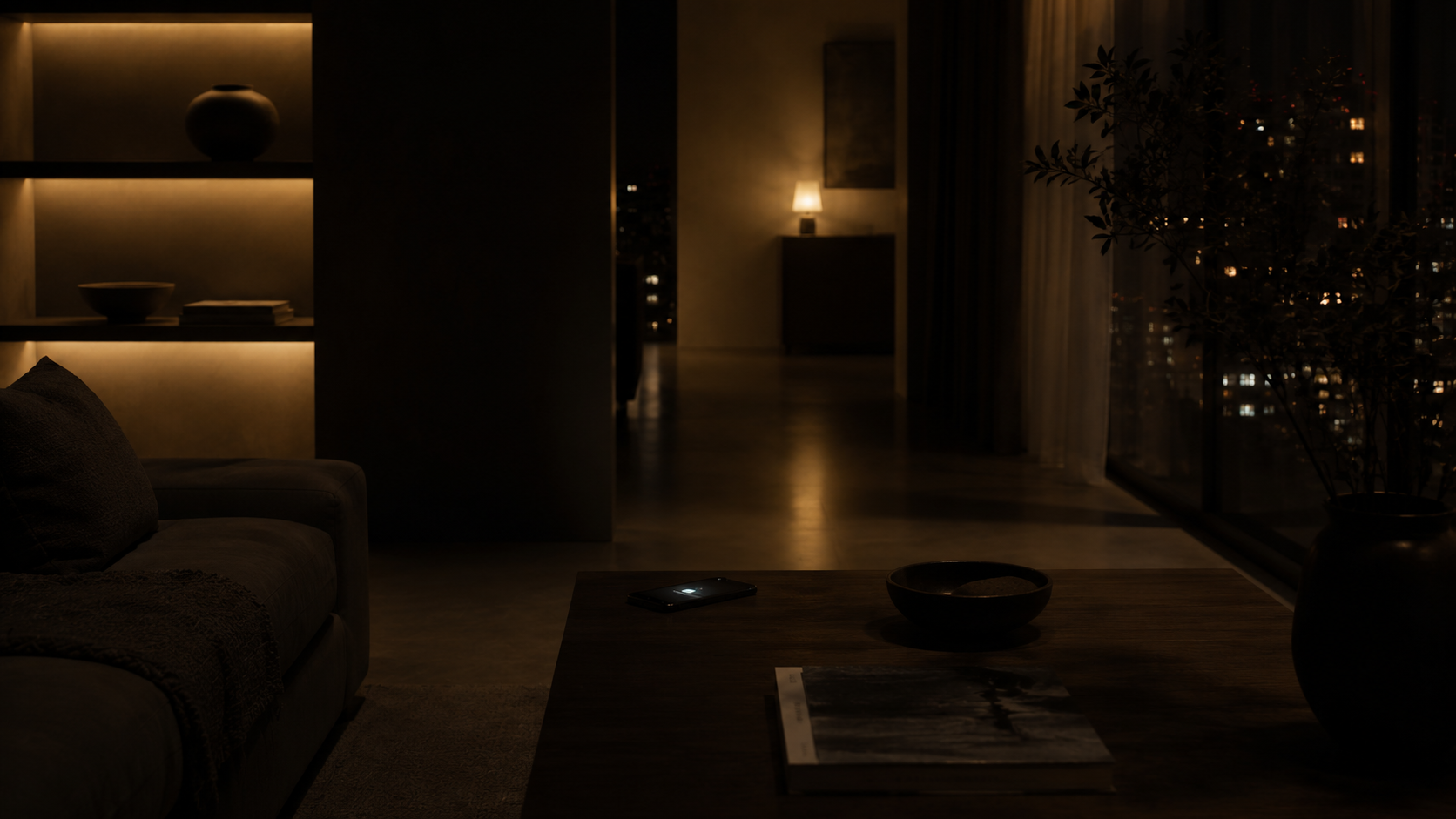
Why Modern Life Rarely Feels Qui...
The nervous system does not begin the day with intention. It begins with signals. Light, breath, pace, atmosphere, and the first sensory experience...
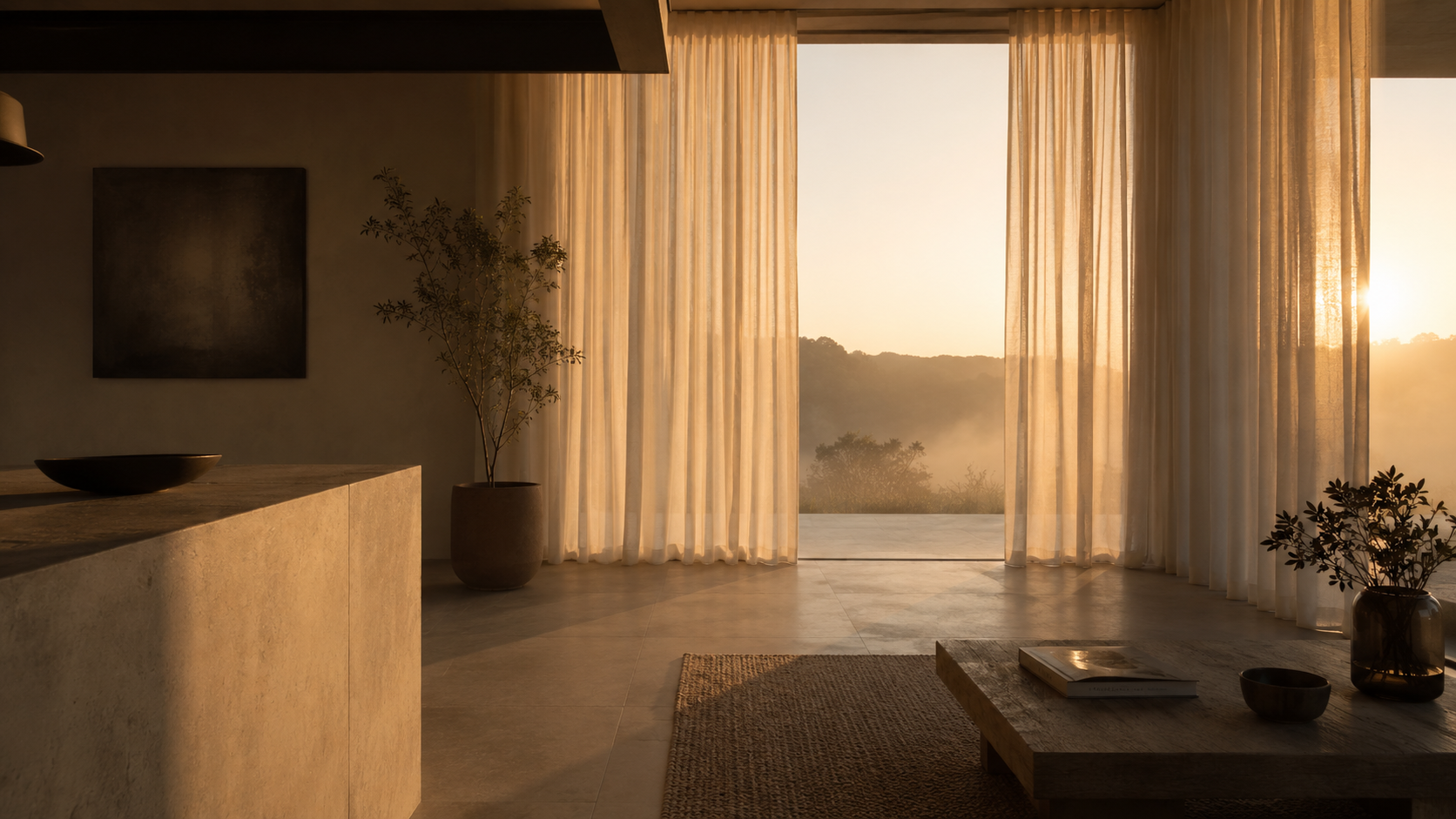
How Modern Environments Disrupt ...
Light is not only visual. It is biological timing information. Human nervous systems evolved within rhythmic environments where brightness changed ...

Why the Nervous System Depends o...
A slower environment changes the body before conscious intention begins. The nervous system responds continuously to light, pacing, atmosphere, sen...
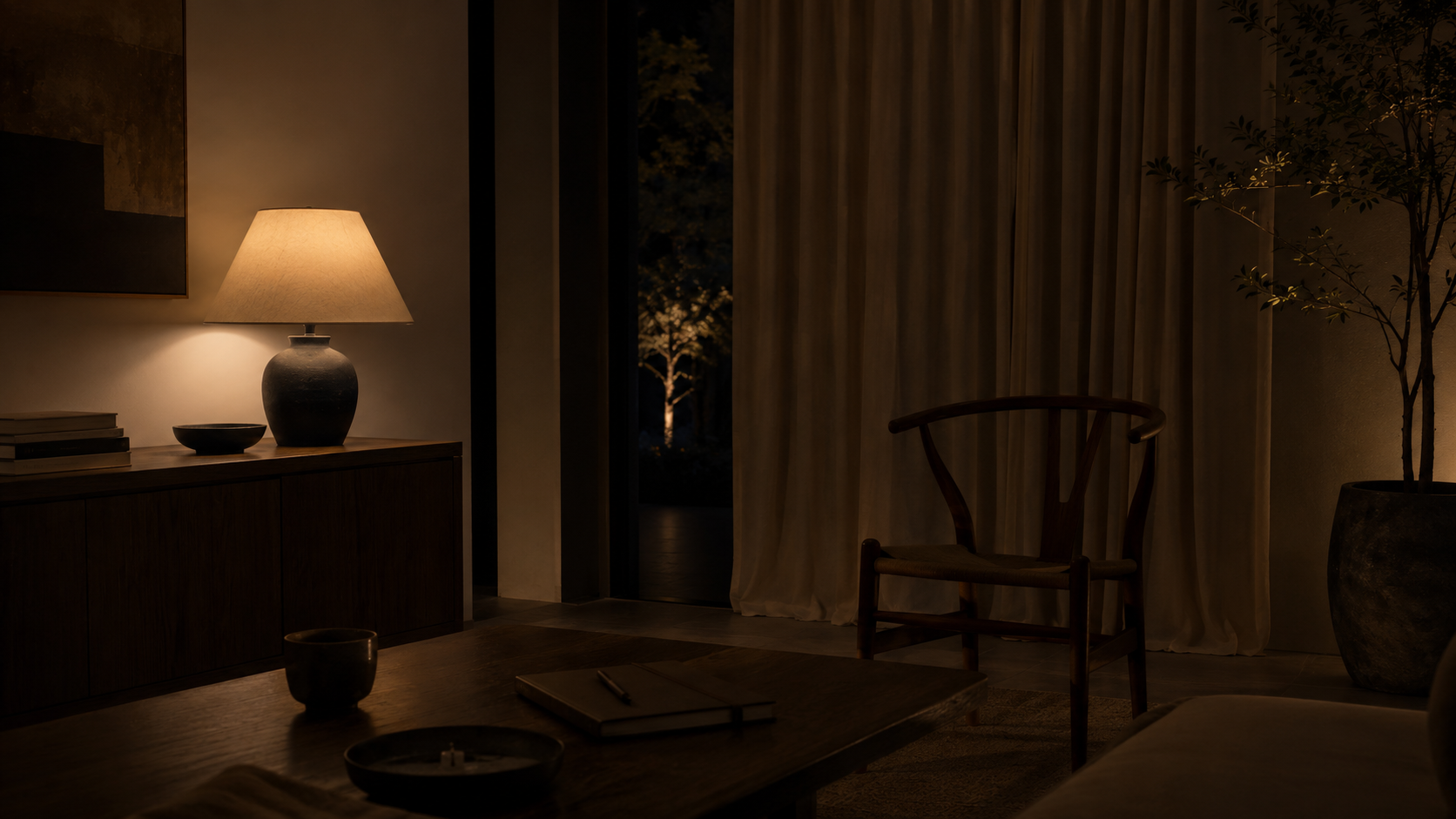
Why Modern Life Rarely Gives the...
A slower philosophy of evening restoration — exploring how light, atmosphere, sensory pacing, and repeated rituals influence the nervous system’s t...
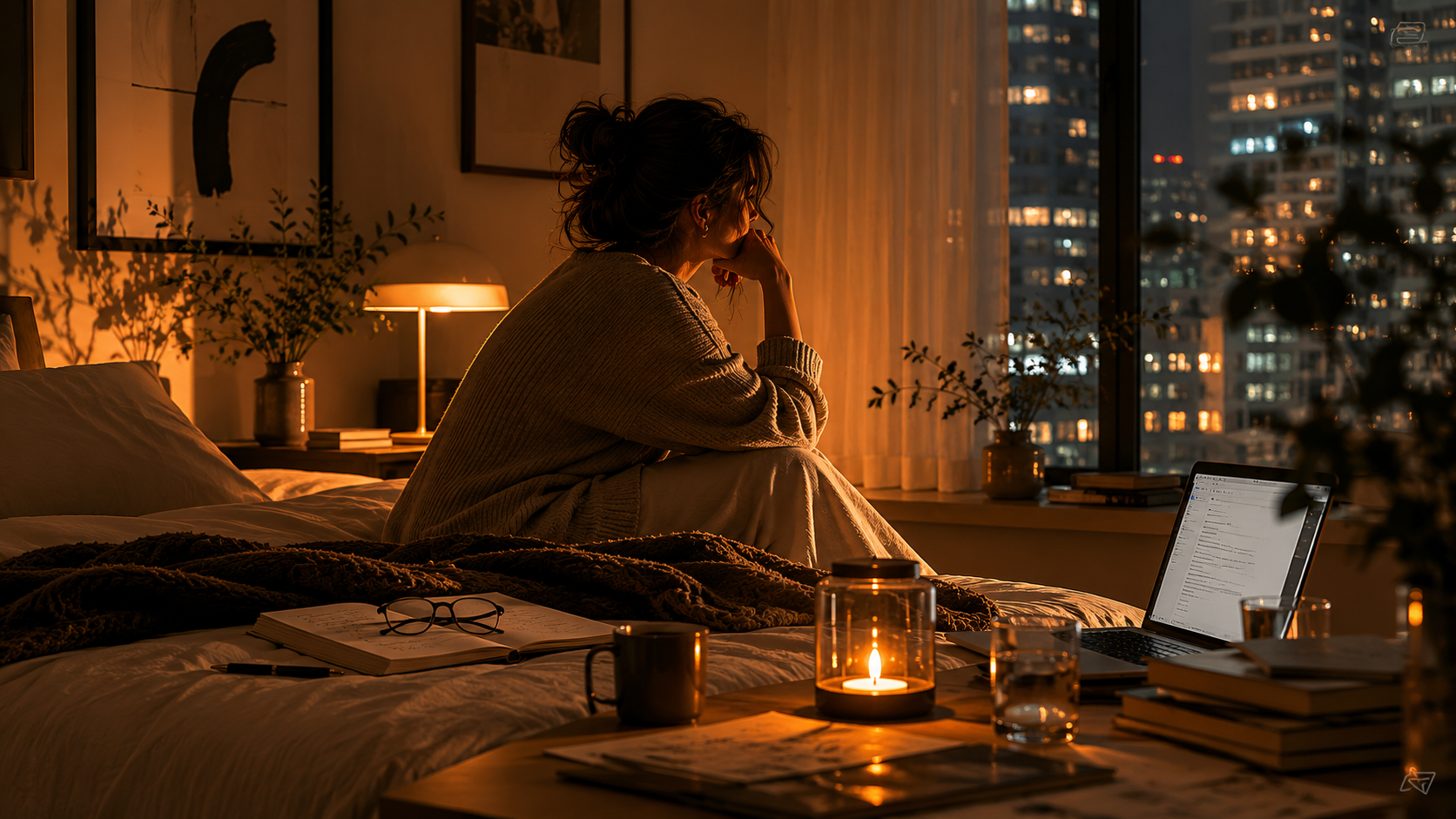
Modern Life Rarely Gives the Ner...
Modern environments increasingly remove the slower transitions that once helped humans move between focus, recovery, quietness, and restoration. Co...
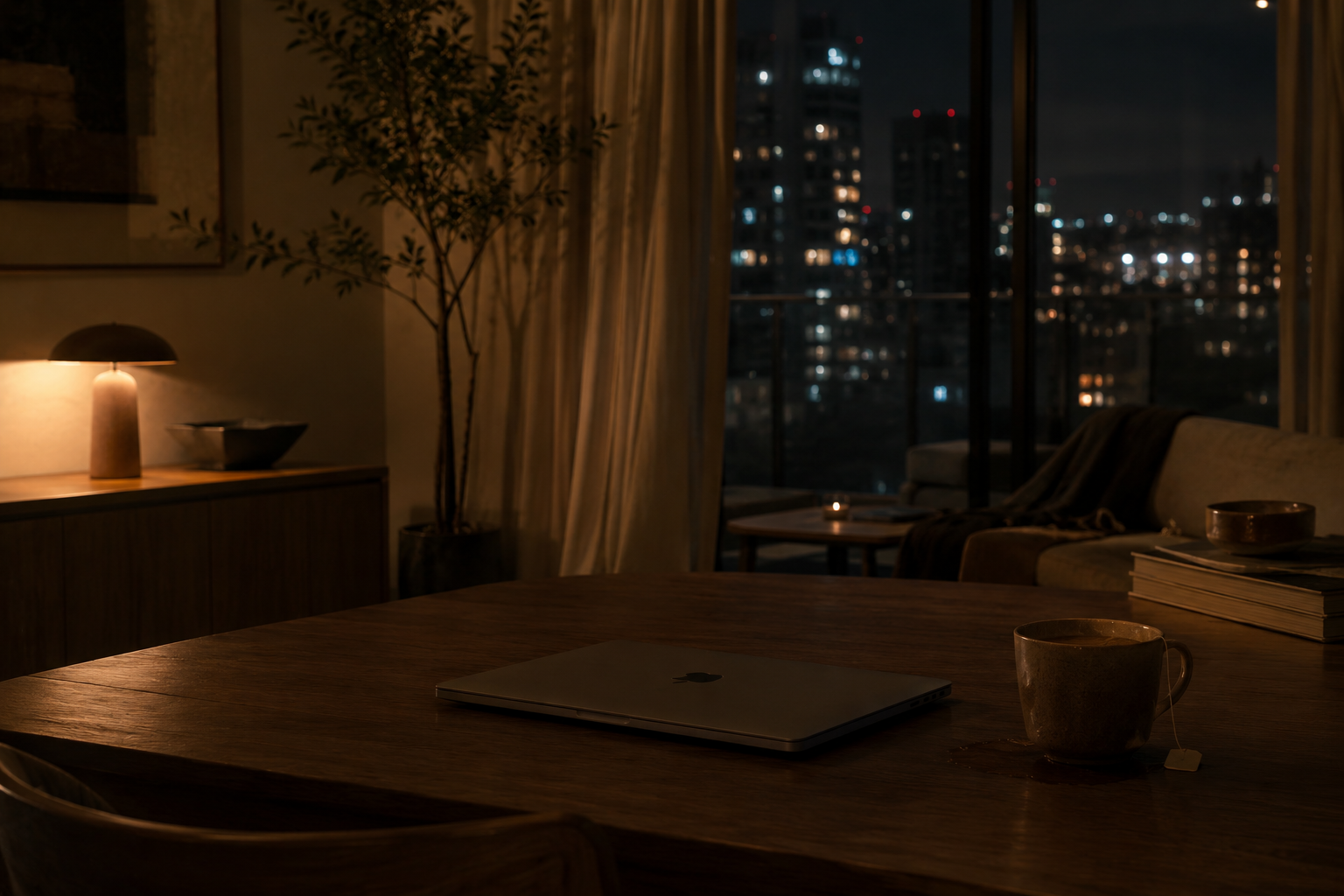
Why Evenings No Longer Feel Restful
Modern evenings rarely feel like true endings anymore. Work, screens, notifications, and constant mental stimulation often keep the nervous system ...