
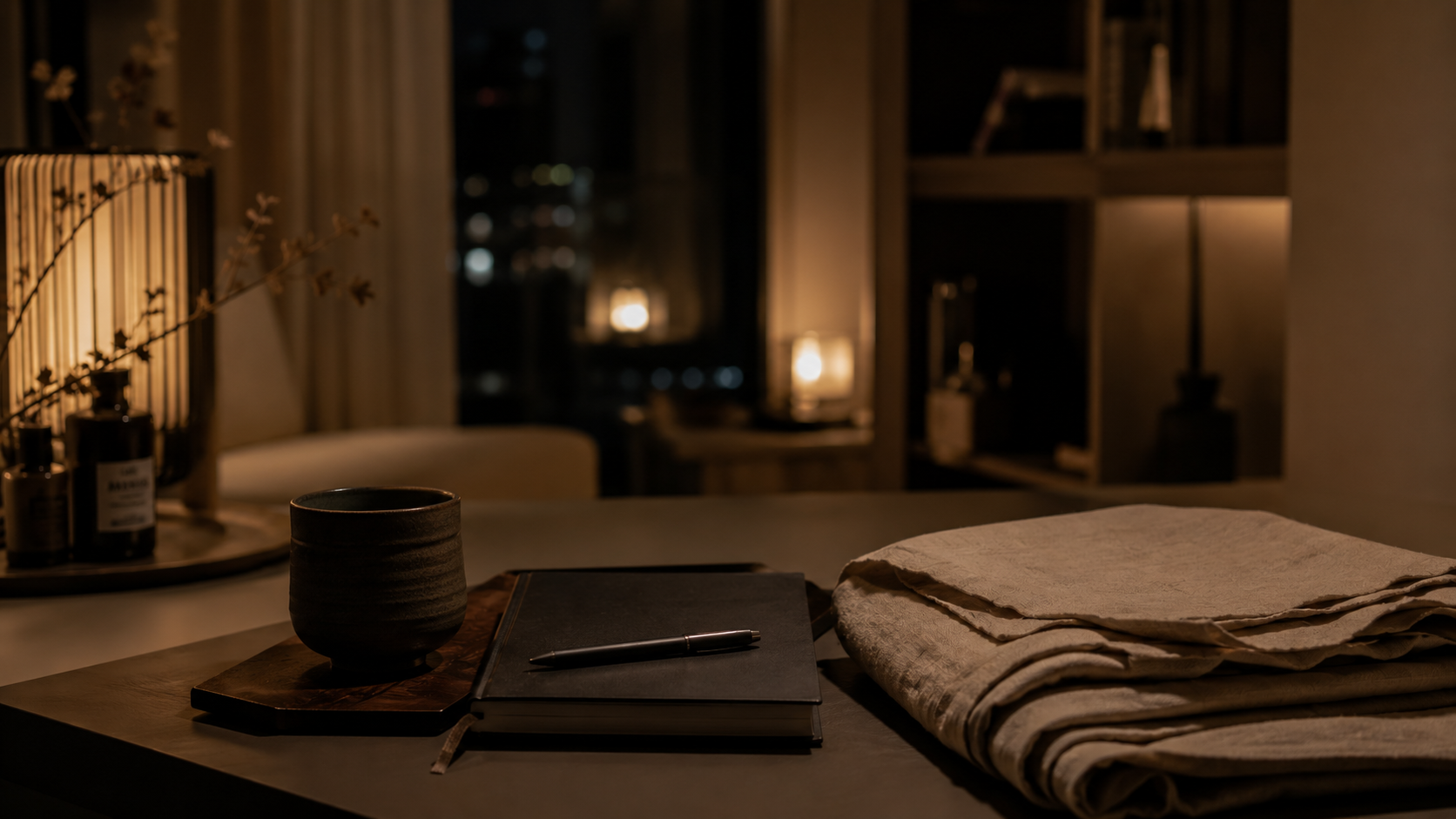
How Repeated Sensory Rituals Sha...
Modern humans increasingly live inside environments without clear transitions. Notifications remain active, stimulation continues late into the nig...
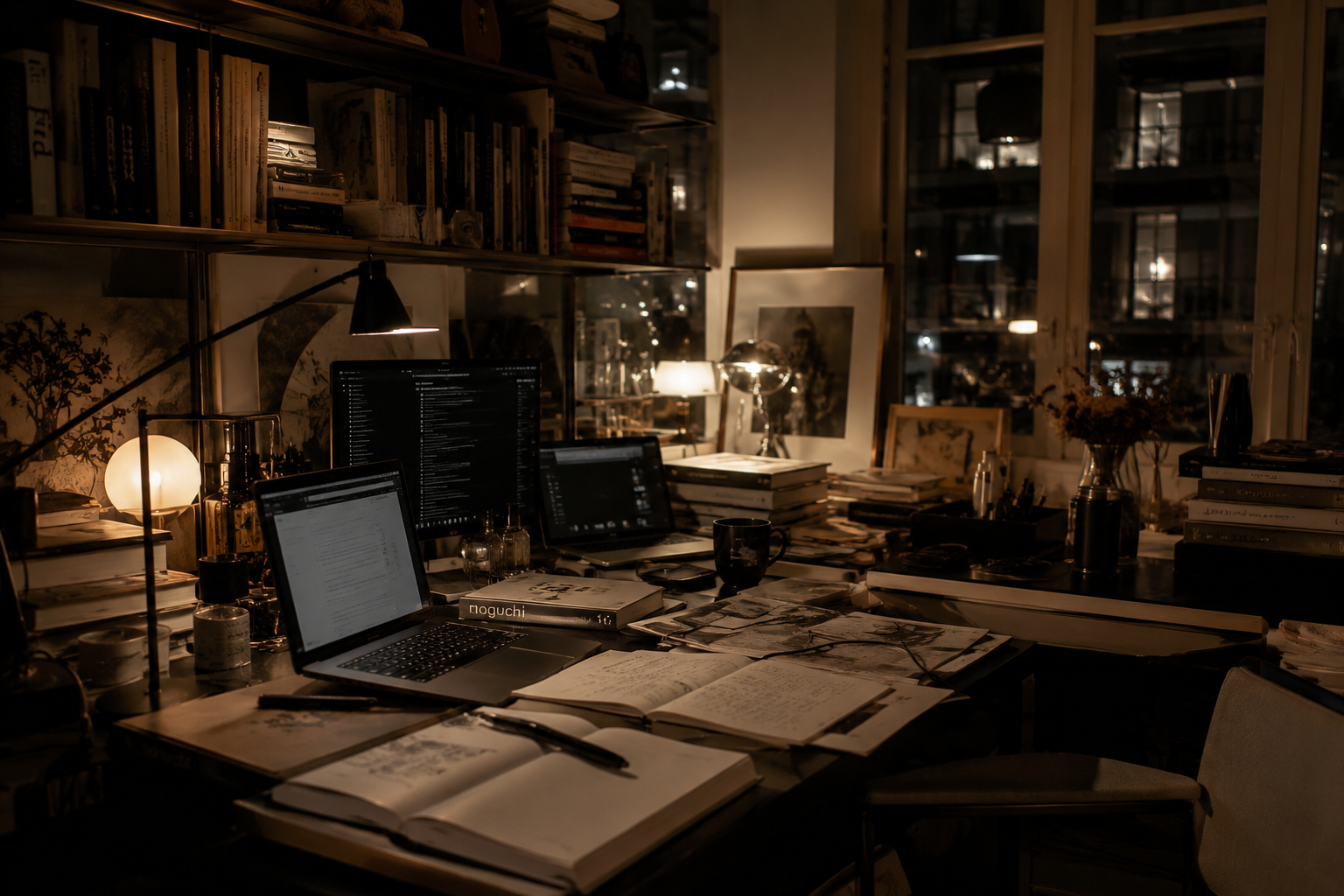
How Visual Density and Modern En...
Modern environments continuously compete for attention. Visual density, clutter, screens, spatial compression, and informational overload quietly s...
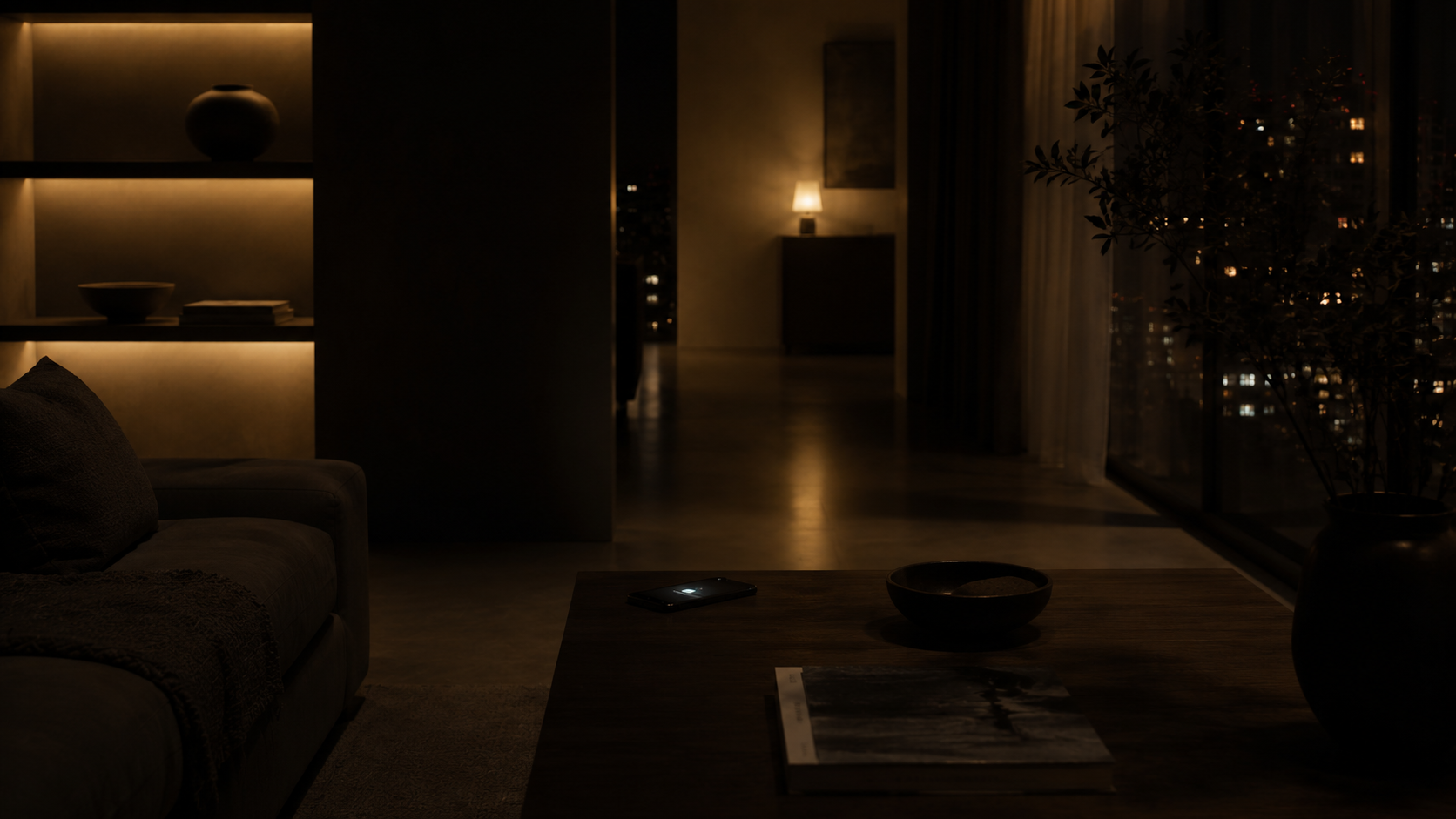
Why Modern Life Rarely Feels Qui...
The nervous system does not begin the day with intention. It begins with signals. Light, breath, pace, atmosphere, and the first sensory experience...
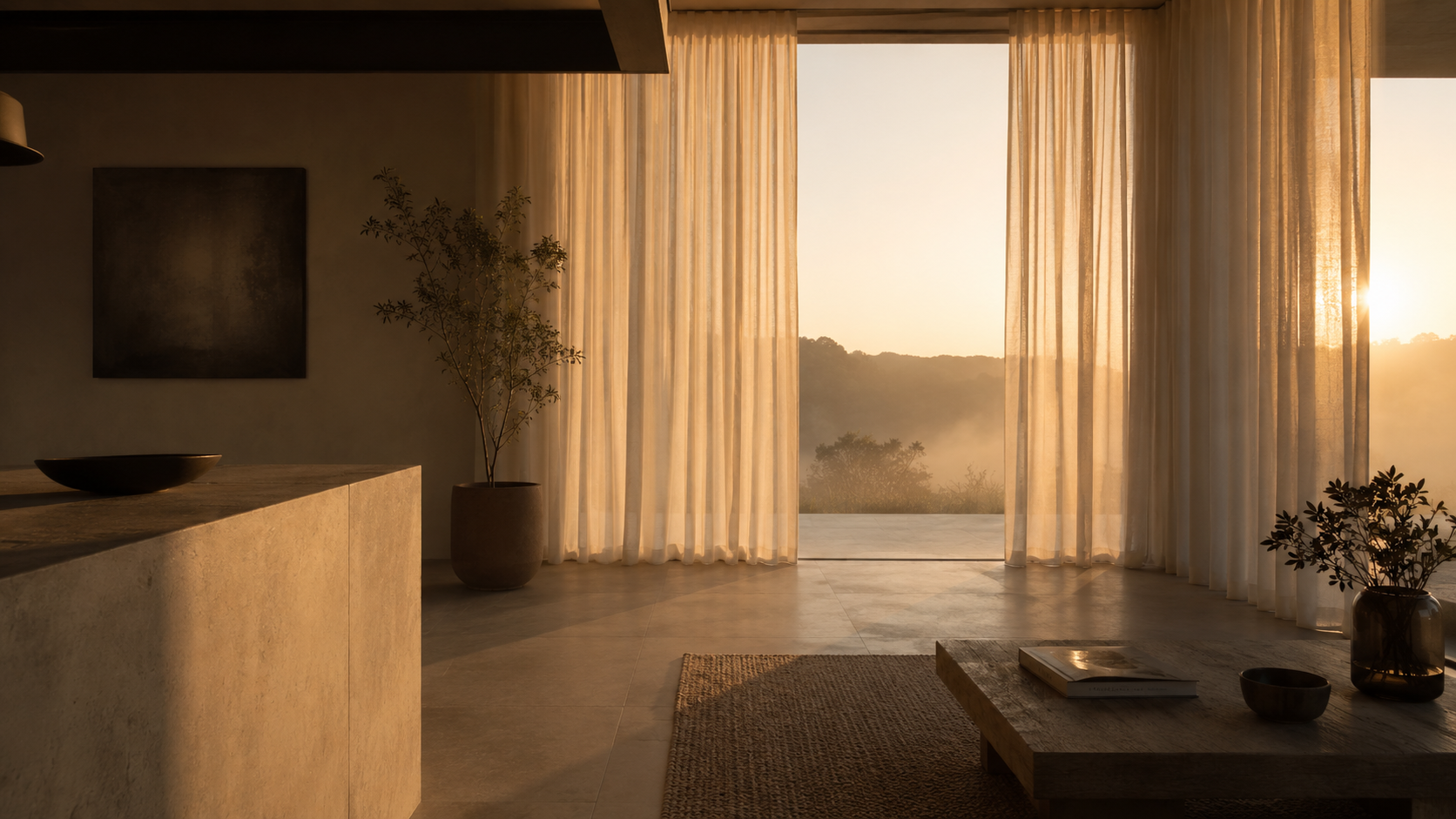
How Modern Environments Disrupt ...
Light is not only visual. It is biological timing information. Human nervous systems evolved within rhythmic environments where brightness changed ...

Why the Nervous System Depends o...
A slower environment changes the body before conscious intention begins. The nervous system responds continuously to light, pacing, atmosphere, sen...
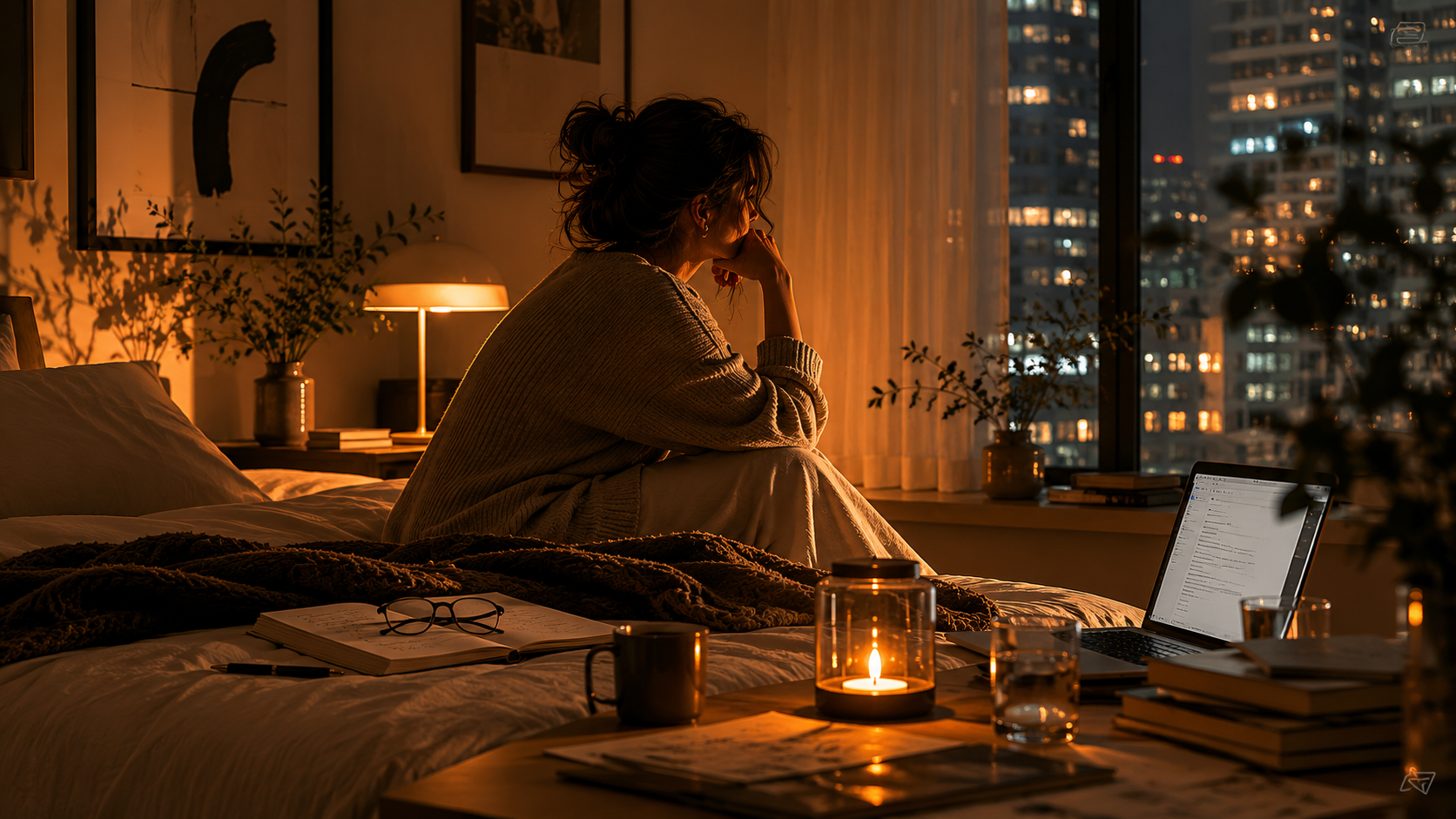
Modern Life Rarely Gives the Ner...
Modern environments increasingly remove the slower transitions that once helped humans move between focus, recovery, quietness, and restoration. Co...
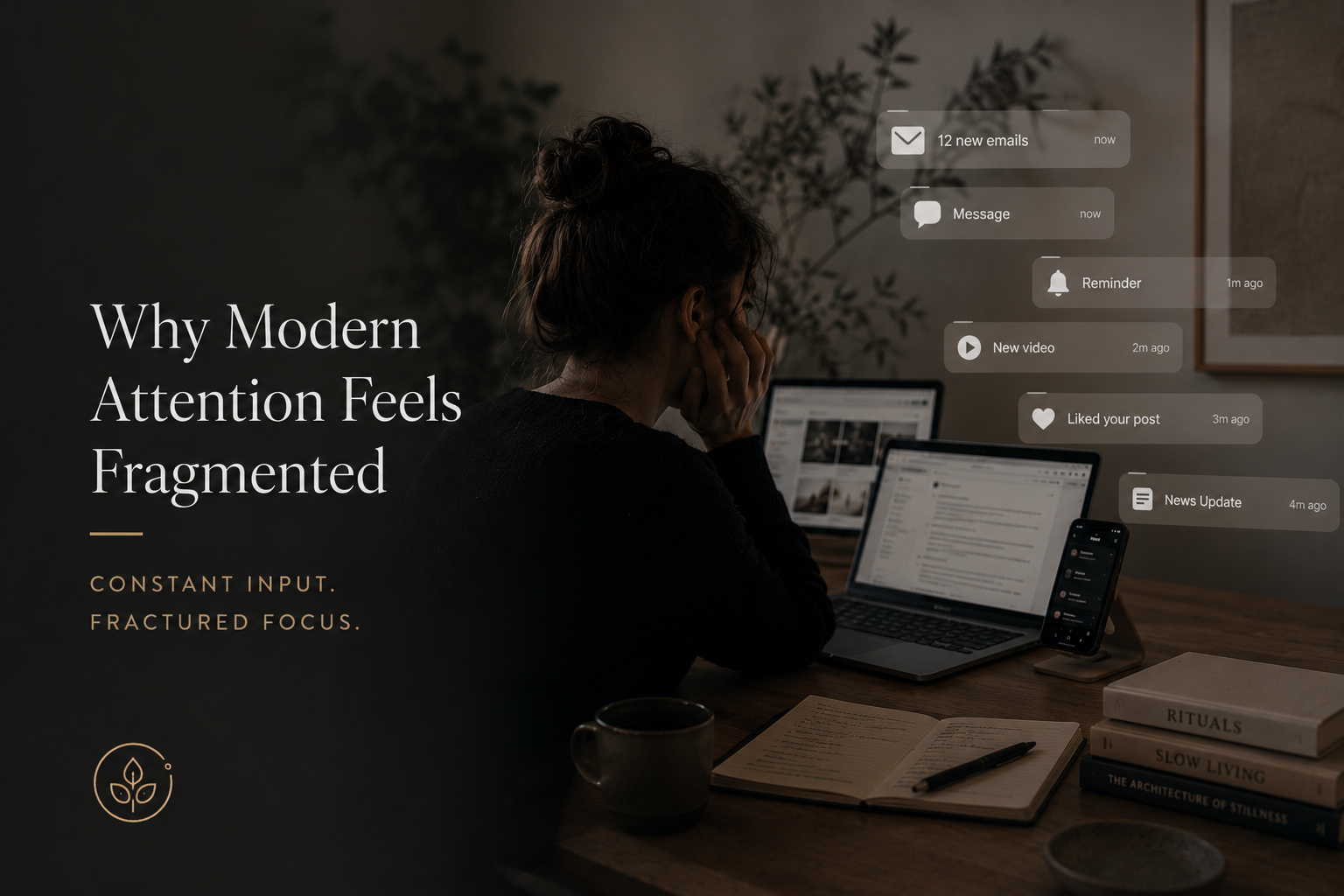
Why Modern Attention Feels Fragm...
Modern attention is no longer simply overloaded — it is continuously fragmented. Explore how constant notifications, tab-switching, cognitive resid...
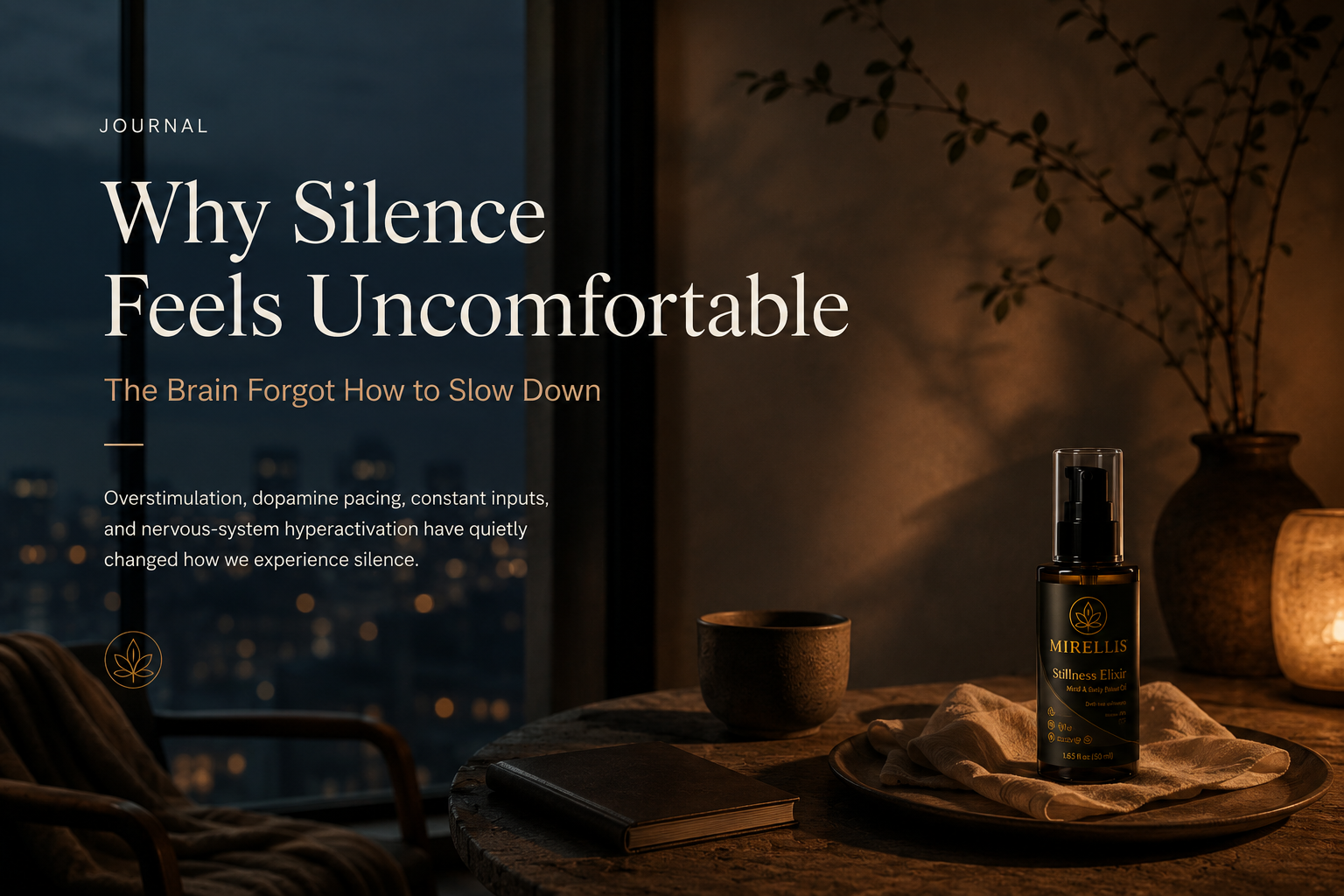
Why Silence Feels Uncomfortable ...
Modern life rarely gives the nervous system uninterrupted quiet anymore. Constant stimulation, notifications, rapid information exposure, and endle...