
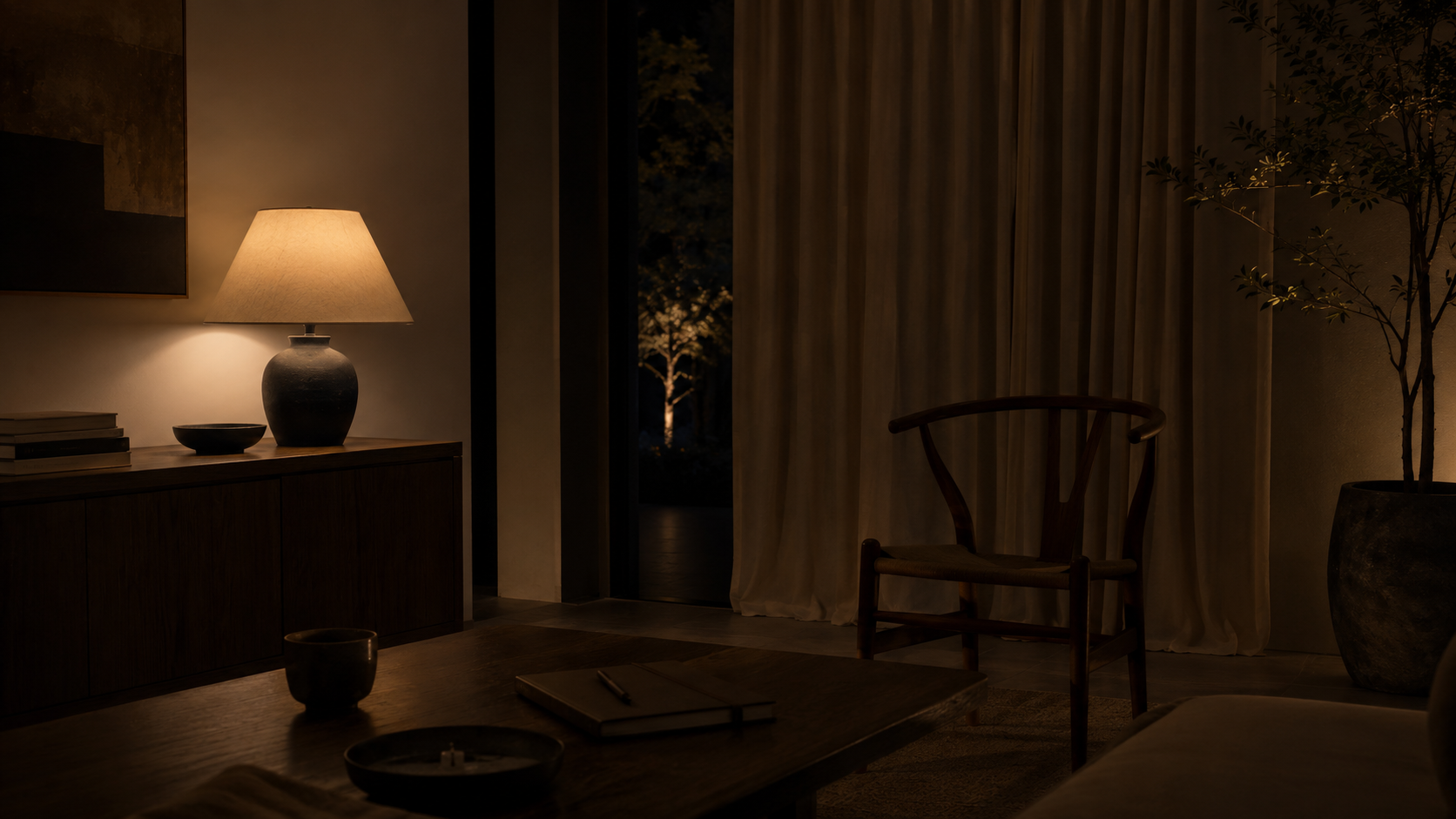
Why Modern Life Rarely Gives the...
A slower philosophy of evening restoration — exploring how light, atmosphere, sensory pacing, and repeated rituals influence the nervous system’s t...

The First Signals of the Morning
The nervous system does not simply switch on after waking. It gradually orients through light, sensory signaling, predictability, and environmental...
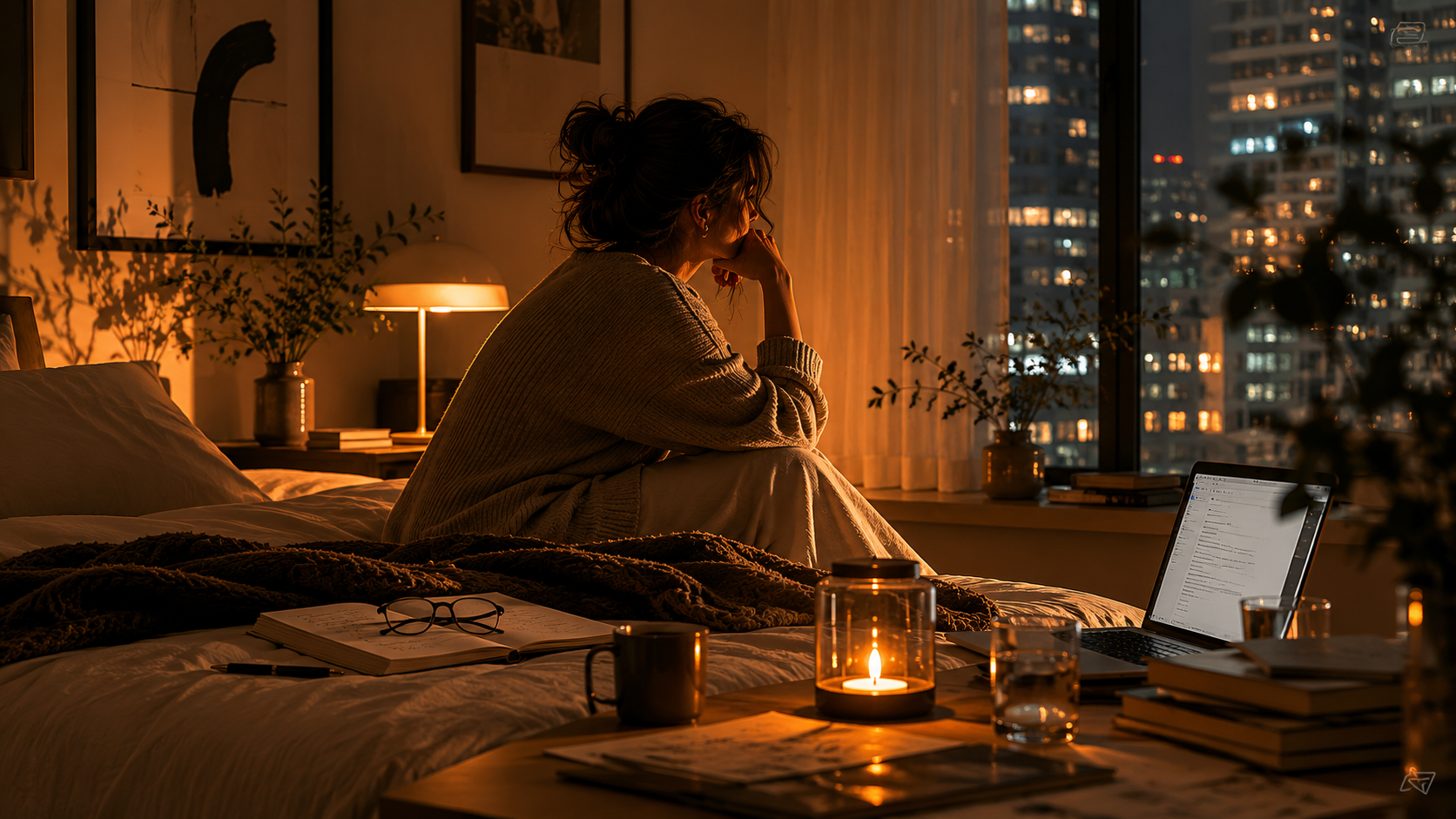
Modern Life Rarely Gives the Ner...
Modern environments increasingly remove the slower transitions that once helped humans move between focus, recovery, quietness, and restoration. Co...

Why Modern Mouths Feel Constantl...
Dry mouth, irritation, sensitivity, mouth breathing, stress, poor sleep, and dehydration may all be affecting modern oral wellness more than many p...

Why Oral Wellness Is More Than J...
The mouth is not isolated from the body. Modern research is increasingly connecting oral health with inflammation, stress, breathing, sleep, microb...
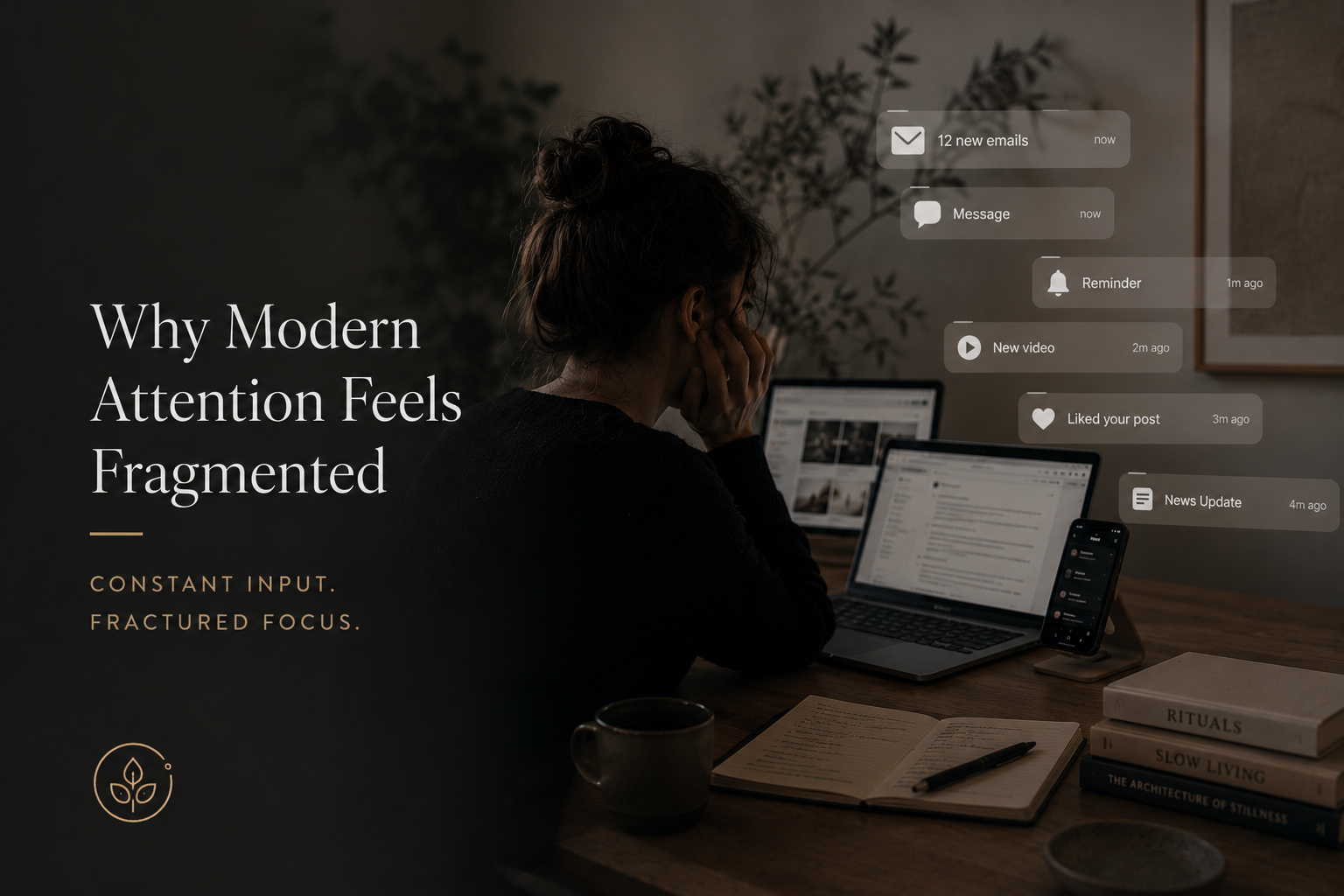
Why Modern Attention Feels Fragm...
Modern attention is no longer simply overloaded — it is continuously fragmented. Explore how constant notifications, tab-switching, cognitive resid...
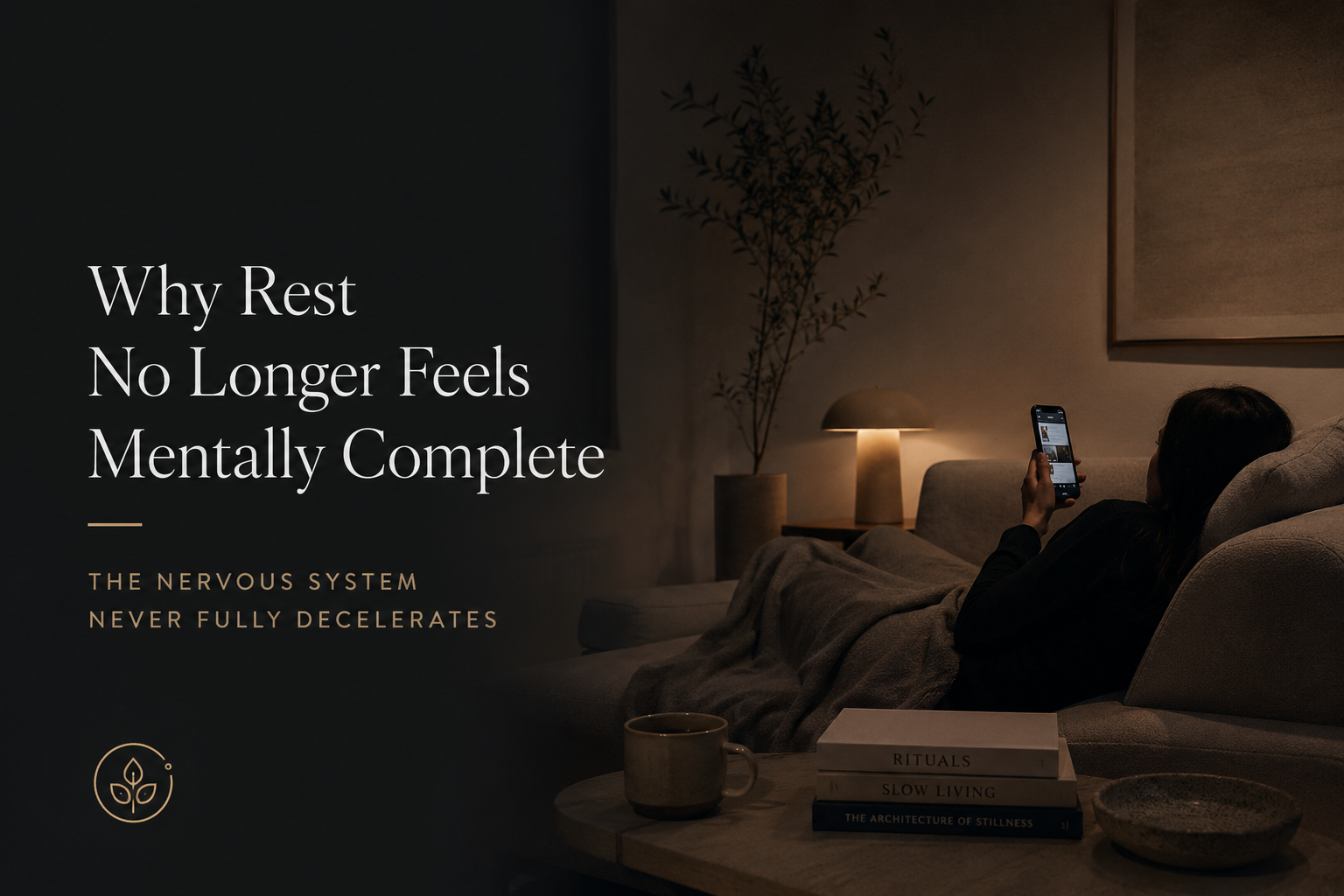
Why Rest No Longer Feels Mentall...
Modern exhaustion is no longer always about lack of sleep. Many people now experience a quieter form of fatigue — being physically inactive while t...
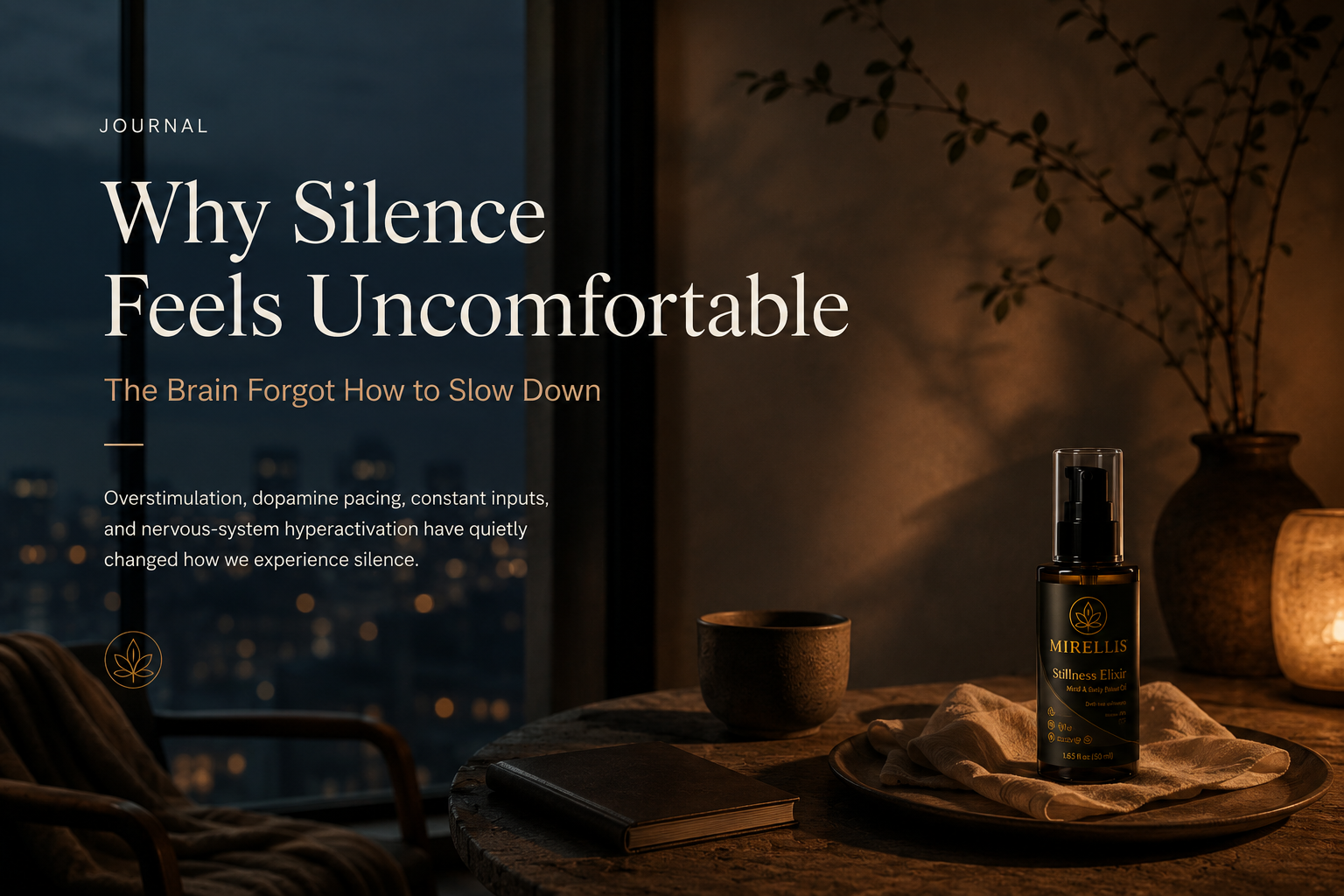
Why Silence Feels Uncomfortable ...
Modern life rarely gives the nervous system uninterrupted quiet anymore. Constant stimulation, notifications, rapid information exposure, and endle...
Why Evenings No Longer Feel Restful
Modern evenings rarely feel like true endings anymore. Work, screens, notifications, and constant mental stimulation often keep the nervous system ...